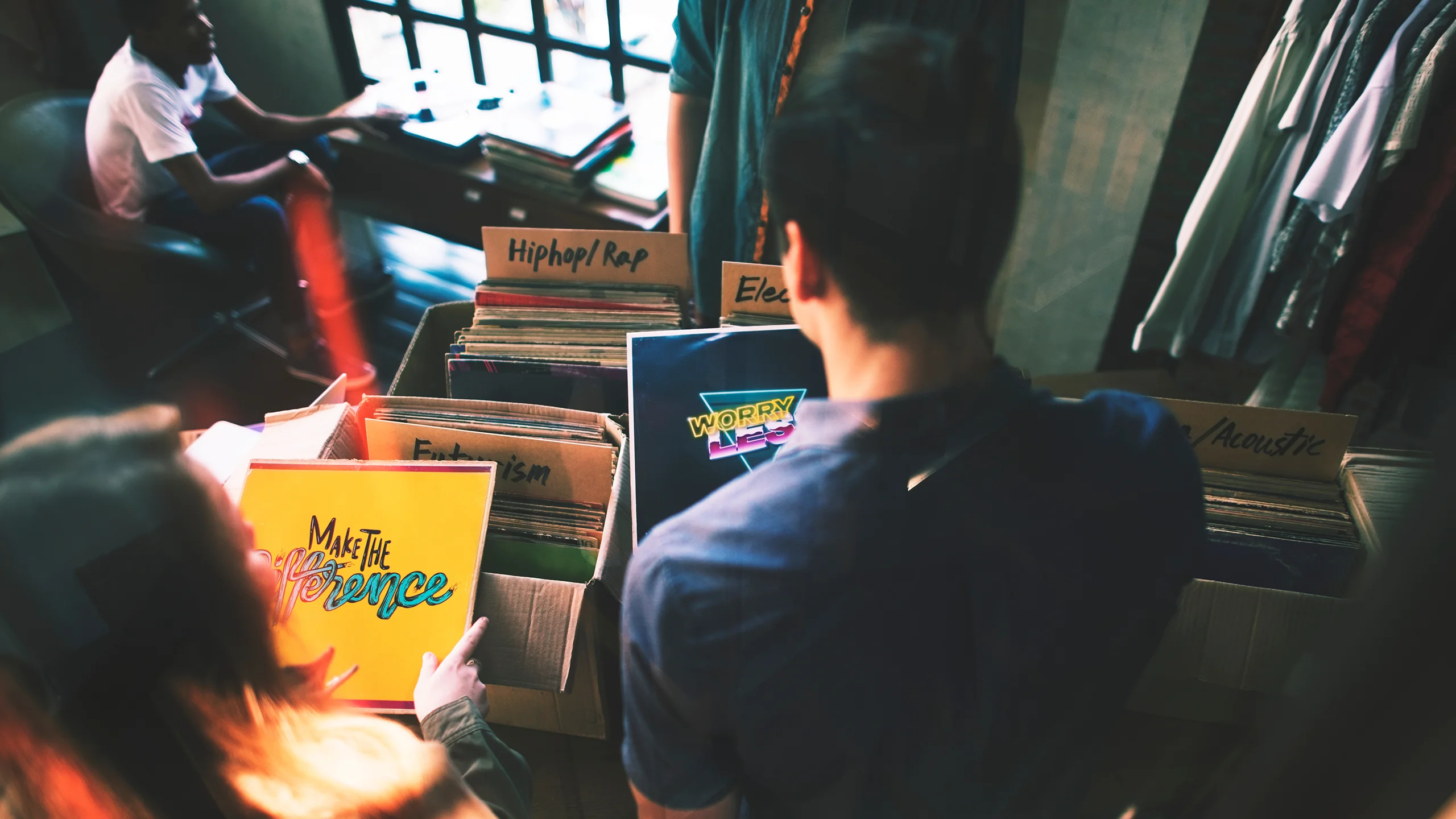
Vinyl records have experienced one of the most remarkable evolutions in modern music history. Once the dominant format of the 20th century, vinyl nearly disappeared during the rise of cassettes, CDs, and digital streaming. Yet in 2026, vinyl is no longer a novelty or niche collector’s item. It is a growing and profitable segment of the music industry. Artists are pressing limited editions. Independent record stores are expanding. Major labels are investing in physical releases again. At the same time, streaming continues to dominate daily listening. So why are listeners returning to analog in an era defined by instant access? To understand vinyl’s resurgence, we need to examine its origins, its decline, and the cultural shifts driving its renewed demand.
The Birth of Vinyl: Analog Innovation
Recorded sound dates to the late 1800s with phonographs and shellac discs. However, the modern vinyl era began in 1948 when Columbia Records introduced the 33 1/3 RPM long-playing (LP) record. This commercially successful format allowed approximately 22 minutes of music per side, making full-length albums practical and cohesive. Shortly after, RCA Victor introduced the 45 RPM record, designed primarily for singles. Together, the LP and the 45 reshaped the music industry.
For the first time:
- Albums could be experienced as unified artistic statements
- Artists could structure music across two sides
- Visual packaging became part of storytelling
Vinyl transformed music from a series of short recordings into immersive artistic journeys.
The Golden Era: 1950s to 1970s
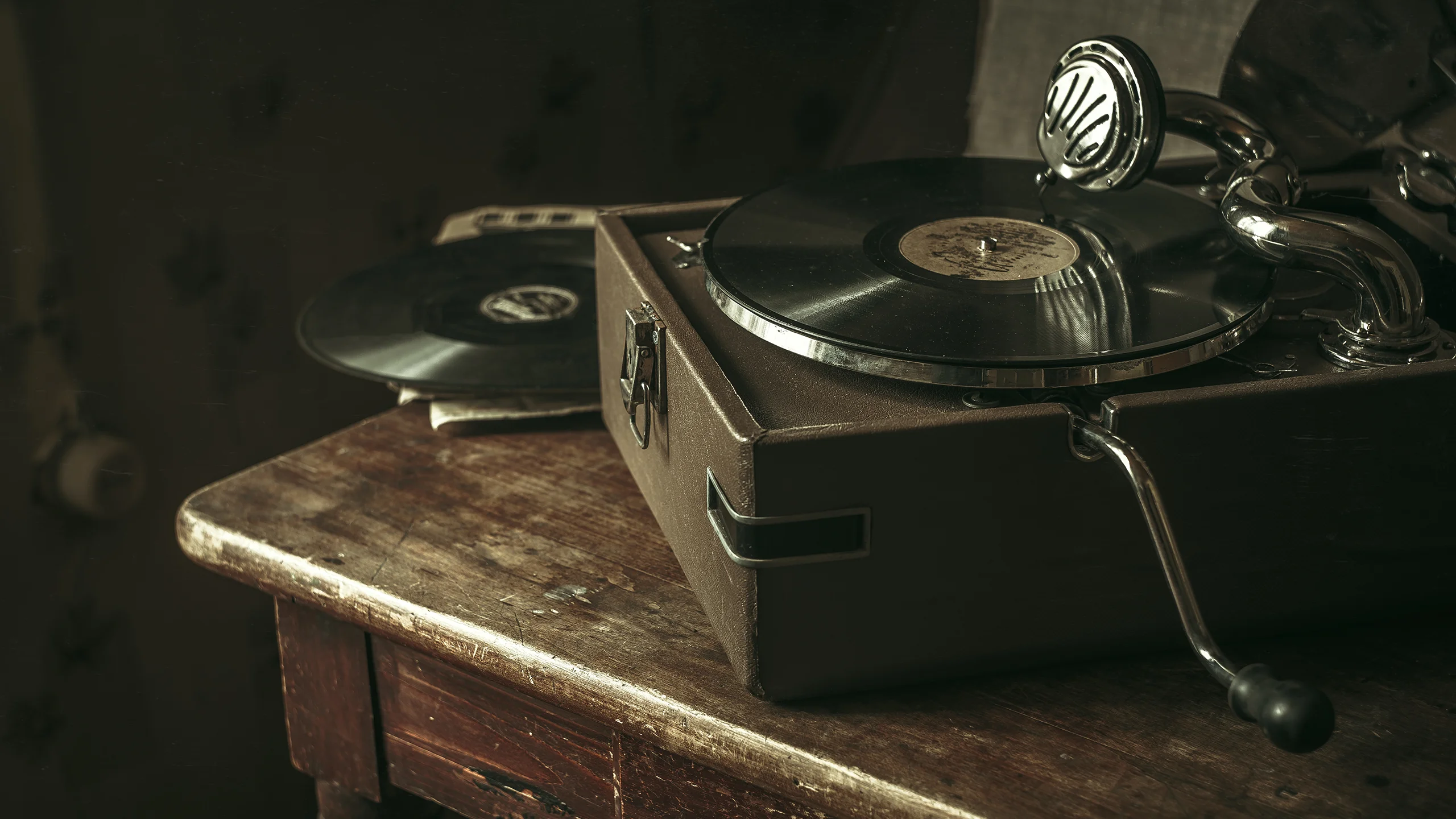
By the 1960s and 1970s, vinyl was the dominant global format. Record players were household staples. Album releases were cultural milestones. Artists structured albums intentionally around Side A and Side B, shaping emotional arcs across physical space. Records by The Beatles, Pink Floyd, Stevie Wonder, and Led Zeppelin were sequenced specifically for vinyl playback.
Listening to vinyl became a ritual:
- Removing the record carefully from its sleeve
- Placing the needle into the groove
- Sitting down to experience the album from start to finish
There were no playlists or skip buttons. The format encouraged presence and attention. Vinyl was not background noise. It was the focal point.
The Decline: Cassettes, CDs, and Digital Disruption
The 1980s introduced cassette tapes, offering portability and home recording convenience. Compact discs followed, promising durability, cleaner playback, and easier track selection.
By the 1990s:
- CDs dominated the market
- Vinyl sales sharply declined
- Pressing plants closed
- Retailers reduced inventory
The early 2000s accelerated the shift. Digital downloads and streaming platforms made music instantly accessible from any device. Subscription models replaced ownership. Algorithms replaced album sequencing. For a time, vinyl appeared destined to survive only in DJ culture and collector communities.
The Slow Comeback: 2010 to 2020

Despite predictions of extinction, vinyl never fully disappeared. Independent labels and collectors sustained small production runs. Around 2007 to 2010, sales began rising again, and growth continued year after year.
By the early 2020s:
- Vinyl sales surpassed CD sales in several major markets
- Record Store Day became a global retail event
- Younger generations began purchasing turntables
Key drivers included:
- Desire for tangible ownership
- Appreciation for large-format artwork
- Perceived warmth and character of analog playback
- Limited-edition collectability
Vinyl shifted from obsolete to intentional.
The 2026 Vinyl Resurgence: Why Demand Is Surging
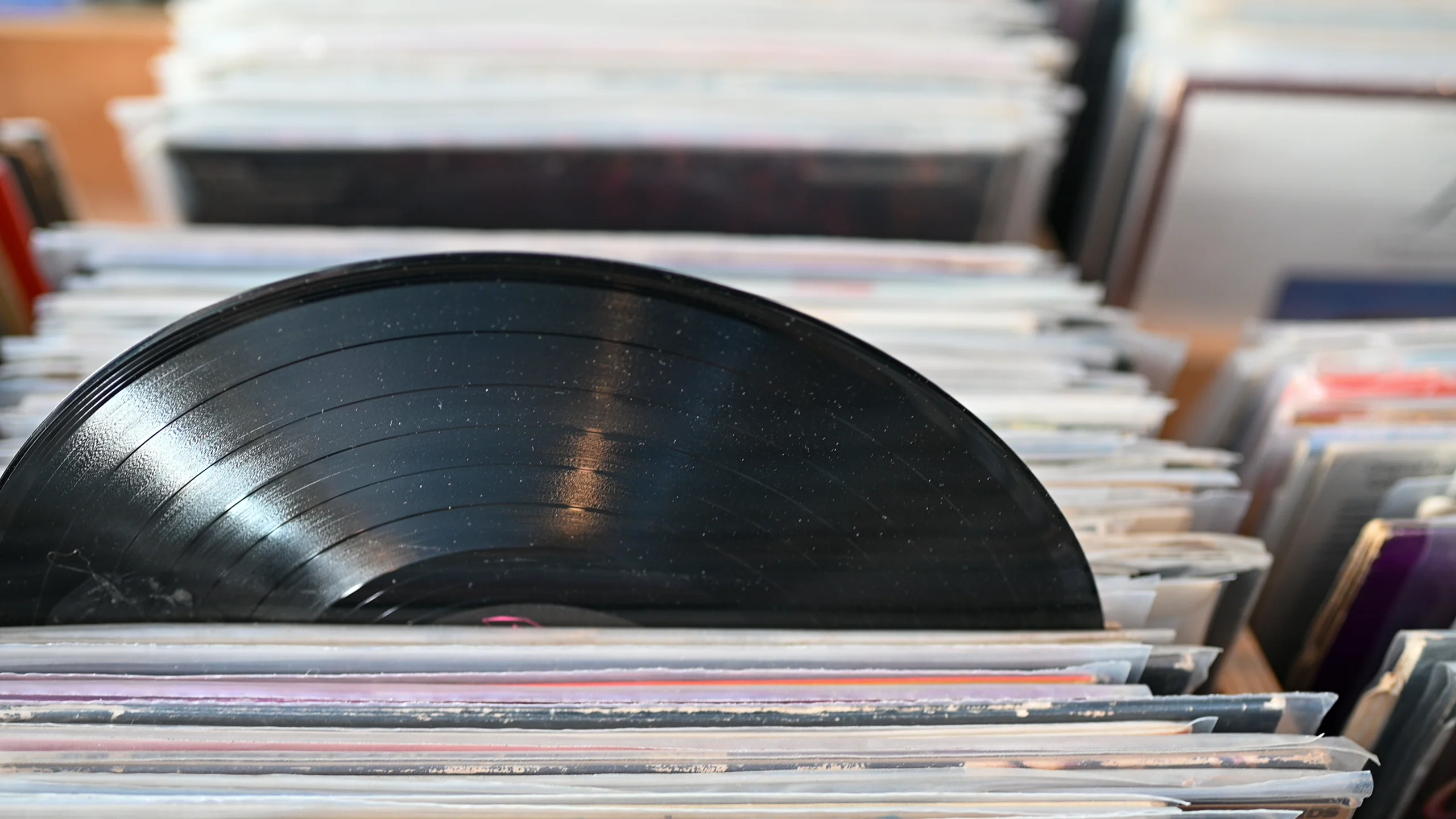
In 2026, vinyl represents a strong and expanding segment of physical music sales. While streaming accounts for most of the overall revenue, vinyl has reestablished itself as the leading physical format in many regions. This growth reflects broader cultural patterns rather than simple nostalgia.
- The Return to Physical Ownership: Vinyl exists independently of subscriptions or platform changes. A record is permanent, displayable, and transferable. In a subscription-based digital world, permanence carries new value.
- Audio Quality Conversations: Although high-resolution digital formats offer technical advantages, many listeners prefer the tonal character of vinyl. The analog playback chain introduces harmonic coloration and dynamic nuance that some perceive as more immersive.
- Supporting Artists Directly: Streaming royalties are often minimal per play. Vinyl purchases provide significantly higher revenue per unit, making them a meaningful way for fans to support artists.
- Lifestyle and Design Appeal: Turntables have become visual centerpieces in modern interiors. Vinyl aligns with broader cultural trends emphasizing slower consumption and curated experiences.
- Influence on Modern Production: Many engineers now prepare dedicated vinyl masters with adjusted dynamics and EQ. Artists planning vinyl releases often pay closer attention to:
- Album sequencing across two sides
- Dynamic range preservation
- Physical artwork and liner narratives
- Dedicated vinyl mastering sessions
While streaming shapes loudness trends, vinyl continues to influence artistic decisions in certain production circles.
Challenges of the Vinyl Boom
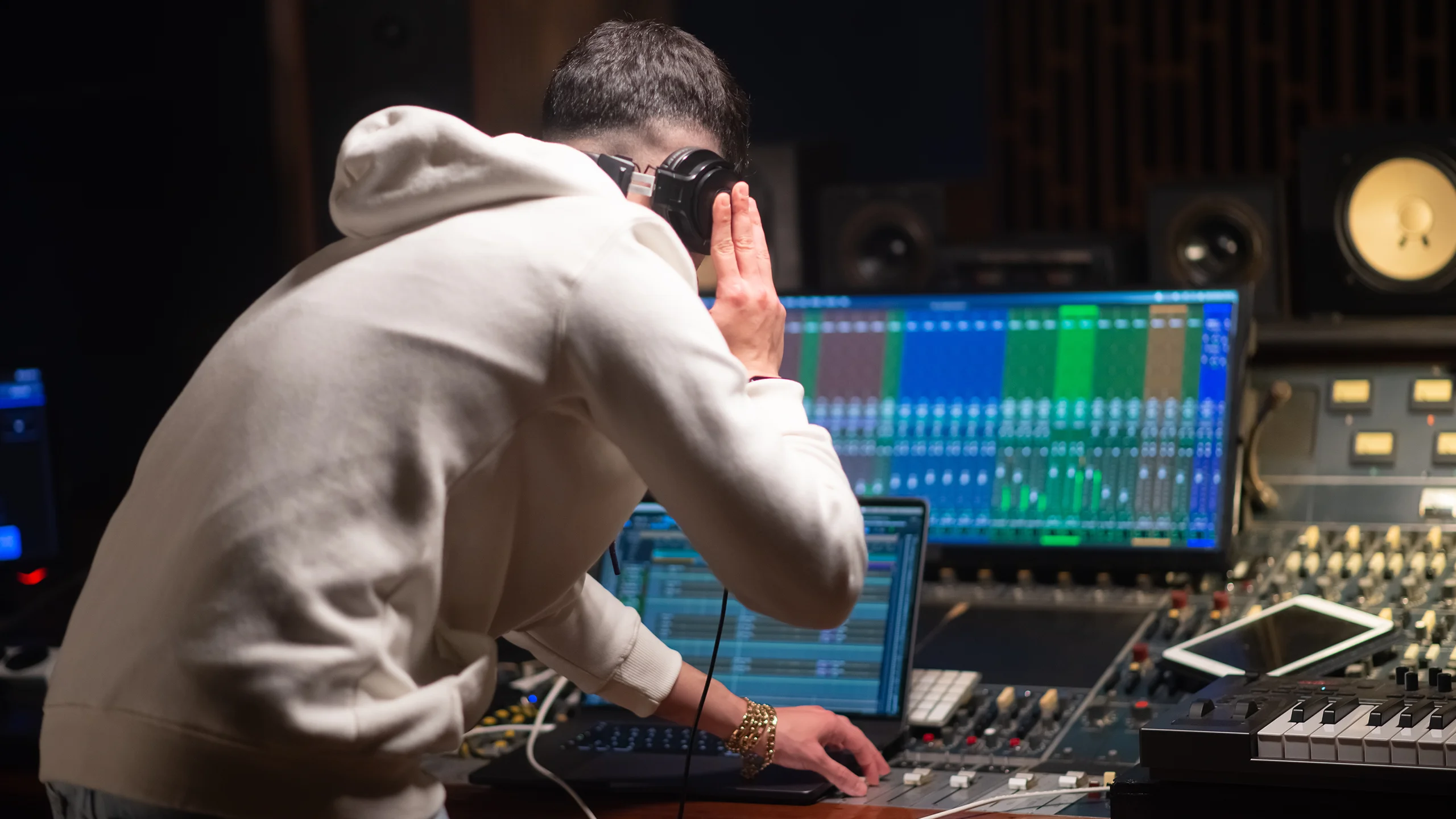
Growth has introduced logistical pressures. Additionally, vinyl is manufactured from PVC, raising environmental concerns. However, new pressing facilities are opening worldwide, and some companies are exploring alternative materials and more sustainable production practices.
- Pressing plant capacity remains limited
- Production timelines can stretch for months
- Independent artists face manufacturing delays
The Emotional Power of Analog

Vinyl’s revival reflects more than format preference. It signals a desire for deeper connection. Vinyl encourages intentional listening. It requires physical interaction. It invites the listener to flip the record and remain present. In a culture defined by scrolling and multitasking, that ritual holds renewed meaning. The subtle crackle of a needle touching wax becomes part of the experience rather than a flaw. For many listeners, vinyl offers something streaming cannot replicate: ceremony.
Conclusion
Vinyl has traveled from innovation to dominance, from near extinction to resurgence. Its continued growth in 2026 demonstrates that convenience is not the only value listeners seek. Streaming defines everyday access. Vinyl defines intentional experience. Ownership, artistry, and physical presence still matter in modern music culture. And as long as listeners value those qualities, vinyl’s story will continue.
If you would like to learn more about how an EPK (Electronic Press Kit) can help your band find more gigs, click the link below to be taken to another blog talking all about EPK’s!
Starting a Band & Building the Ultimate EPK – CommonTime Productions
About The Author

Mary Nance
Mary is a multi-talented small business entrepreneur and creative artist, specializing in teaching, content creation, and custom songwriting. With a passion for empowering aspiring content creators, she offers lessons in Unreal Engine, music, and other content creation tools through her social media communities of CommonTime Productions.
Leave A Comment